I’ve been running consistently for five years. An easy 5K most days, 10K on weekends. I’m not chasing pace or distance — I just genuinely like how it feels to run.
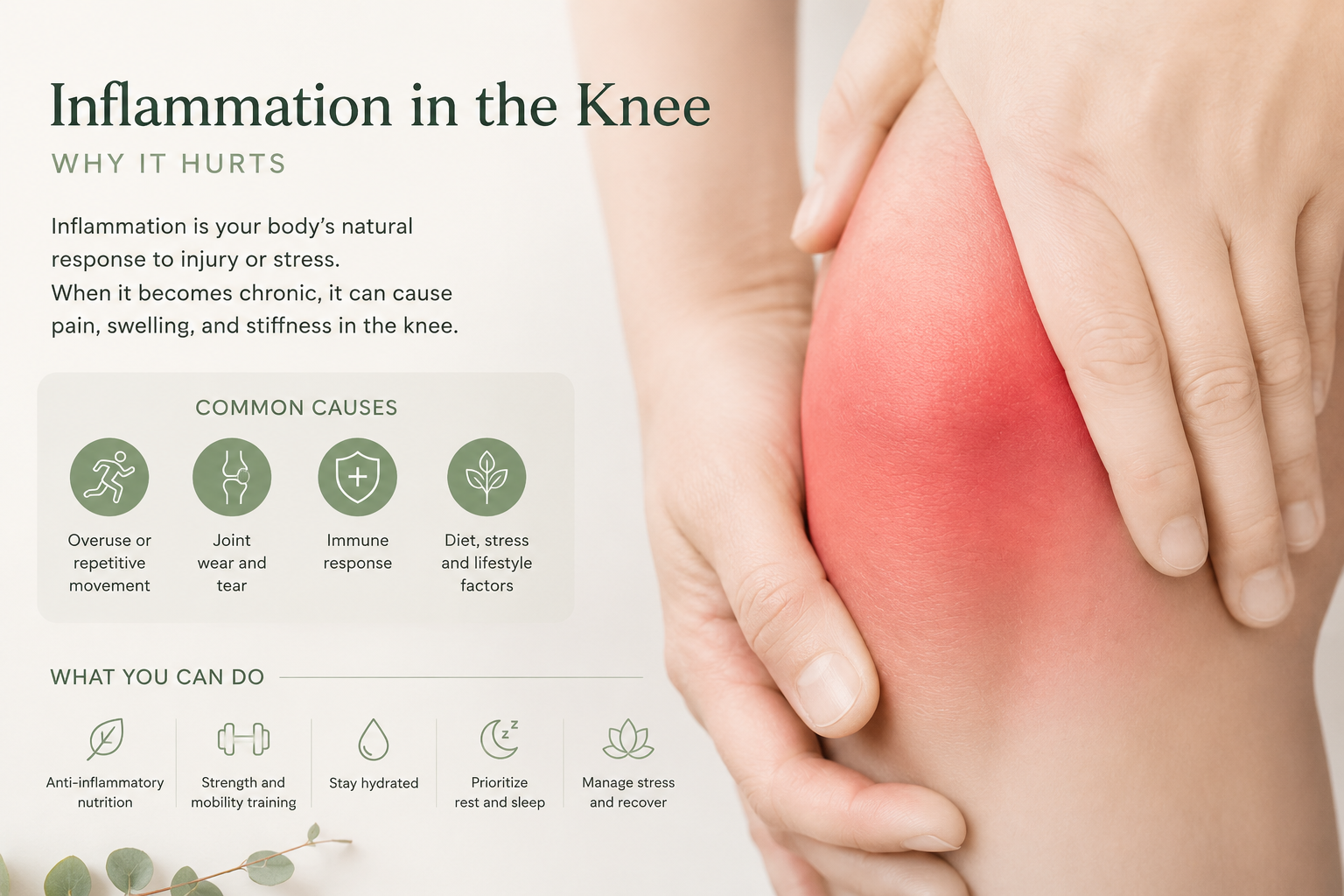
For most of that time, my knees and joints never really bothered me. But recently, I started noticing a subtle ache in my ankles and hips. I tightened up my warmup and stretching routine, added more strength work, and for a while it seemed to help.
Then the ache crept back in. Nothing dramatic — just a quiet, persistent presence. I’m someone who tends to notice pain more than most, so at first I wondered if I was just being sensitive. Then I remembered my mother, at my age, complaining about her knees and her back. Maybe achy joints at this stage of life have less to do with running and more to do with just… being this age. That’s what sent me down the rabbit hole of researching joint pain supplements menopause options actually have decent evidence behind them.
Is Declining Estrogen Really Behind My Joint Pain?
There does seem to be a real connection between falling estrogen around menopause and joint pain. Estrogen plays a role in maintaining cartilage and regulating inflammation, which is part of why joint complaints tend to rise around this life stage.
But it’s not as simple as “my estrogen dropped, so my joints are falling apart.” Body weight, training load, declining muscle strength, sleep, pre-existing joint structure, and increased mileage all tend to tangle together. For someone like me, whose recovery has slowed down, it’s more likely a combination of hormonal shifts, repeated impact, and fewer recovery resources — not clear evidence that joint damage is already underway.
What I Actually Looked Into: UC-II, Omega-3, MSM, and Creatine
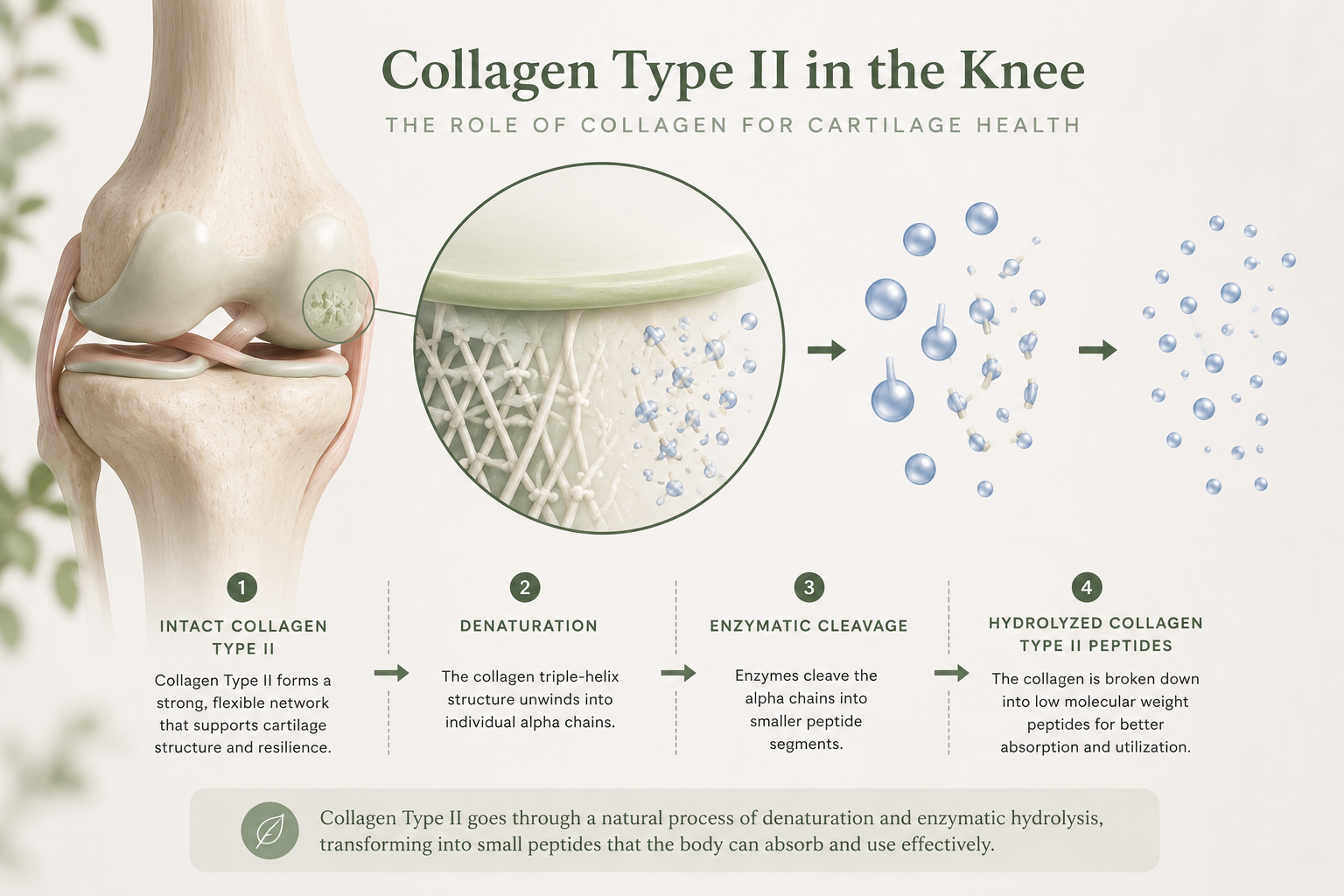
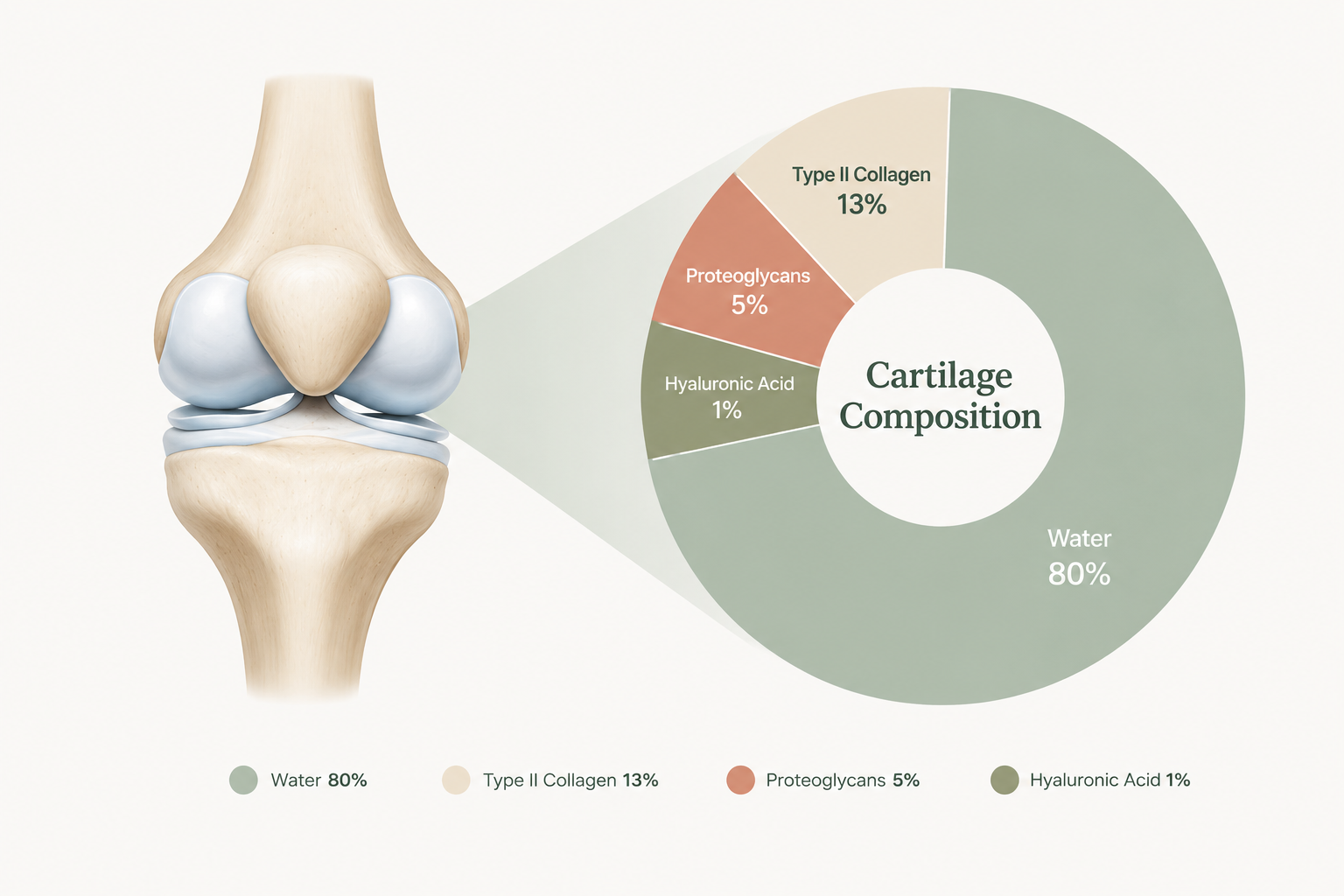
The first thing that caught my attention was UC-II, undenatured type II collagen. Unlike the type I and III collagen most of us associate with skin, this is the collagen that actually makes up joint cartilage.
What’s interesting is the mechanism:Because UC-II is undenatured, it retains its native structure, which is thought to be important for triggering oral immune tolerance, essentially signaling to immune cells, The leading theory is oral immune tolerance — repeated exposure to this specific collagen type may train the immune system to react less aggressively to joint tissue. The exact mechanism hasn’t been fully worked out yet, but this hypothesis is supported by preclinical research and is consistent with the clinical benefits seen in several small trials.This may help reduce inflammation around the joint.
Looking further into the research, (a review pooling eight randomized controlled trials with 243 participants total )found that UC-II tended to outperform placebo on pain and mobility measures. It’s not a huge body of evidence, but the direction was consistent. An older study found that 40mg of UC-II per day improved knee extension strength and pain-free exercise time in people with exercise-induced knee discomfort.
Two Kinds of Type II Collagen
- Hydrolyzed type II collagen — Broken down externally for better absorption (e.g., BioCell Collagen). Often blended with hyaluronic acid or chondroitin, and studied for joint pain and tendon/ligament support.
- Undenatured type II collagen (UC-II) — Not chemically processed, so it stays structurally close to the collagen already in our joints. Studied mainly on its own for knee pain and mobility.
I also came across a newer study on a different collagen peptide (not UC-II) — 5g daily improved knee and hip pain, walking, stair-climbing, and squatting. It’s a decent sign that collagen as a category may help with activity-related joint discomfort, but since it’s a different compound from UC-II, I didn’t want to lump the two together.
Omega-3, MSM, and Creatine
Omega-3 kept coming up — not just for joint inflammation, but cardiovascular health, blood pressure, and brain function too.
MSM showed some signal for pain and swelling when paired with glucosamine, but the evidence for MSM on its own felt shakier.
Creatine is something a lot of runners talk about lately, so I looked into it too. There’s decent evidence for creatine helping strength and post-exercise recovery, but direct evidence for joint lubrication or an anti-inflammatory effect was thinner than I expected. One study on knee osteoarthritis found that creatine combined with resistance training improved function and muscle mass — but that reads more like “stronger muscles took pressure off the joint” than any direct joint benefit. (A meta-analysis published this year )pooling eight RCTs, found that creatine did not significantly lower inflammatory markers like CRP or IL-6.
What About BPC-157?
BPC-157 gets mentioned alongside collagen peptides a lot, so I checked it out too. Most of what’s out there is animal or preclinical research. There are reports of tendon and muscle recovery benefits in animal models, but human safety and efficacy data just isn’t established yet — not something I’d feel comfortable recommending for joint recovery at this point.
Joint Pain Supplements Menopause: The Short Version
Ingredient & Findings
▪ Estrogen decline: Likely connected to joint pain, but not the sole cause
▪ UC-II: Repeatedly linked to pain and function improvements in early knee osteoarthritis and exercise-related discomfort
▪ Omega-3: Good value beyond joints — cardiovascular and cognitive benefits too
▪ MSM: Some signal alongside glucosamine; weak on its own
▪ Creatine: Useful for strength and recovery, but not much evidence for joint lubrication
▪ BPC-157: Human evidence still lacking
What This Told Me — And What’s Still Unclear
Why This Mattered More Than a Quick Fix
What I actually took away from all this research wasn’t “take this and your knee will heal.” It was more of a framework for thinking about joint pain. Every source I read agreed on one thing: once cartilage has worn down or joint space has narrowed, supplements can’t reverse that.
What supplements can do is help take the edge off inflammation and pain. So instead of expecting regeneration, I started thinking of these joint pain supplements for menopause as a support system alongside the strength training and weight management I was already doing — not a replacement for it.
The Limits of What I Found
Most of the studies I found had small sample sizes, and almost none were specifically about runners. Most subjects were general adults, people with early knee osteoarthritis, or people with exercise-related knee discomfort.
So this isn’t “evidence specific to runners’ joints” — it’s closer to “evidence from people with joint discomfort, applied to a running context.” And for things like creatine’s anti-inflammatory effect or BPC-157’s effectiveness in humans, the honest answer is: we just don’t have enough data yet.
What I’m Actually Doing Now
I tried collagen, omega-3, and MSM. I was already taking omega-3, but my daily dose seemed low, so I bumped it up to around 1500mg. I’m planning to keep taking collagen for a while longer too.
MSM, honestly, made a pretty noticeable difference. But the dose per serving felt like a lot, and I started getting headaches. After watching it for a few days, it seemed connected to the MSM, so I stopped taking it. That’s just my personal experience — I can’t say it would happen to everyone. If you do try MSM, it’s worth looking for a product that uses OptiMSM, which has a verified safety track record.
Collagen generally doesn’t come with serious side effects, though some people report digestive upset, breakouts, or occasionally changes in their menstrual cycle. If you notice a reaction, stopping and restarting at a lower dose once symptoms settle is a reasonable way to see how your body actually responds.
I’ll save what to look for when choosing omega-3 and creatine specifically for another post — that’s a longer conversation on its own.
The Combination I’m Leaning Toward
When I thought about joint pain supplements menopause research actually supports, the pairing I kept coming back to was omega-3 + UC-II.
Omega-3 felt like a solid foundation — it’s tied to joint inflammation, but also general low-grade inflammation, cardiovascular health, and brain function. Some sources put it on par with chondroitin for joint function specifically, but given the whole-body benefits, omega-3 seemed like the more efficient choice.
UC-II stood out because it carries almost no risk of GI issues, bleeding, or drug interactions. That makes it a reasonably low-stakes option if you’re already on other medications or have a sensitive stomach.
| Other ingredients I considered | Why it didn’t make the cut |
|---|---|
| Boswellia | Strong pain relief signal, but GI issues are common |
| Glucosamine + chondroitin | Long research history, but recent value-for-cost hasn’t held up well |
| Pycnogenol / eggshell membrane | Reasonable evidence, but pricier than I wanted to prioritize |
This ties into the broader approach I cover in our supplements for midlife women guide — lifestyle factors usually matter more than any single supplement.)
Who This Might Be Useful For
If you’re weighing joint pain supplements menopause options for yourself, this might be worth reading if you…
| This might be worth reading if you… |
|---|
| Started noticing joint discomfort after running or exercise around menopause |
| Prefer fewer supplements that support overall health, rather than a long stack of single-purpose pills |
| Are already on several medications or have a sensitive stomach, and want a lower-risk joint option |
| Are curious how much real evidence backs trendy ingredients like creatine or collagen peptides for a runner’s joints |
Common Questions
Will creatine fix my knee pain right away?
Based on what I found, creatine seems more connected to strength and recovery than to the joint itself. In one knee osteoarthritis study, function improved when creatine was paired with resistance training — but that looks more like reduced joint load from stronger muscles, not a direct lubricating effect.
Does UC-II regenerate cartilage?
There’s no evidence for that yet. It comes up repeatedly for pain and function improvements, but I couldn’t find anything suggesting it reverses cartilage that’s already worn down.
Is BPC-157 worth trying for joints?
Most of what’s out there is animal research. It’s probably too early to say it works reliably in humans.
Does MSM cause headaches for everyone?
No — that was just my personal experience, and it’s not something everyone will run into. Reactions like this vary a lot from person to person.
Cartilage doesn’t come back once it’s gone, and no ingredient on this list changes that math. What I keep coming back to is that supplements sit alongside the bigger picture, not in place of it.
Keep Reading
If you want the fuller picture — why joints start reacting differently after 40 in the first place, and what the guidelines actually put first — joint pain after 40 explains where supplements fit into the whole story.
This article is based on personal experience and publicly available research. It isn’t a substitute for medical diagnosis or treatment — please consult a healthcare provider about any health condition or medication.